
How long does custom jewelry take? A manufacturer's timeline
By Siona Jewels team · Updated
Short answer
A custom jewellery order takes about 4 to 10 weeks from brief to dispatch: 1–3 days for the brief, up to a week of CAD, 1–2 weeks for a sample, 2–6 weeks of production and a few days of checks and marking, with shipping on top. Gold for sale in India also needs a BIS hallmark with a six-digit HUID.
Most delays on a custom order don't happen at the casting bench. They happen in someone's inbox: a CAD render waiting three days for comments, a sample sitting in customs, a stone size nobody confirmed. A manufacturer can quote a production window with some confidence. The weeks either side of it depend just as much on the buyer.
This guide sets out each stage of a custom order, what you approve at each one, and the time a manufacturer usually needs, with ranges that add up to a single total. It then covers what pushes an order to either end, what a repeat order saves, and a back-planning calendar for the next Valentine's Day, Eid al-Fitr, Diwali and Christmas. The process itself is explained in the jewellery manufacturing process guide; this one is about the clock.
How long does custom jewelry take from brief to dispatch?
Plan on about 4 to 10 weeks from a complete brief to dispatch, then add shipping. The fast end assumes one CAD round, quick approvals and stones in stock; the slow end, a second CAD round and a long production run. Pieces for sale in India also go to a hallmarking centre, where BIS laser-marks a six-digit HUID.
The total comes from adding the stage ranges in the table below. At the fast end, that's 1 + 3 + 7 + 14 + 2 = 27 days, just under four weeks. At the slow end, it's 3 + 7 + 14 + 42 + 4 = 70 days, exactly ten weeks. Shipping sits outside both figures, because it depends on where the goods are going and how.
Production carries the widest range by far. Siona's typical production window is 2 to 6 weeks, set by quantity and setting complexity: 20 plain bands and 200 pavé rings are very different jobs. The stages around it, though, are where a buyer can save the most time, because almost all of them end with an approval.
Stage by stage: what you approve and how long each takes
A custom order passes through five stages before it ships, and four of them end with your sign-off. Samples and one-offs are usually 3D-printed from the CAD, while production runs use wax copies injected into a rubber mould made from a metal master, as Ulrich Klotz's 2019 casting paper describes.
Stage | What happens | What you approve | Typical time a manufacturer needs |
|---|---|---|---|
| Sketches or references, metal, karat, stones, sizes, quantities, marking | Specification and estimated price | 1–3 days |
| Measured 3D model, renders, estimated metal weight | Renders and dimensions | 3–7 days: about 3 for one round, up to a week with a second |
| Model printed, cast, set and finished | Weight, fit, stones and finish; the sample becomes the master | 1–2 weeks |
| Mould made, waxes injected, cast, set, polished, plated if specified | Optional mid-run photos | 2–6 weeks |
| Weights, measurements, stone security, finish; marks applied | QC photos and weights | 2–4 days |
Brief to dispatch | Stages 1–5 added |
| 27–70 days, about 4–10 weeks |
| Insured courier or valuables carrier |
| On top: typically a few days to the UAE, about a week to the US or Canada |
Two stages carry hidden time. The sample has a minimum because each printed pattern needs its own burnout cycle: on Formlabs' schedule, castable resin takes about 13 hours just to reach casting temperature. Stage 5 depends on the market, since hallmarking applies to India and trademark stamping to the US and Canada.
What speeds a custom order up or slows it down?
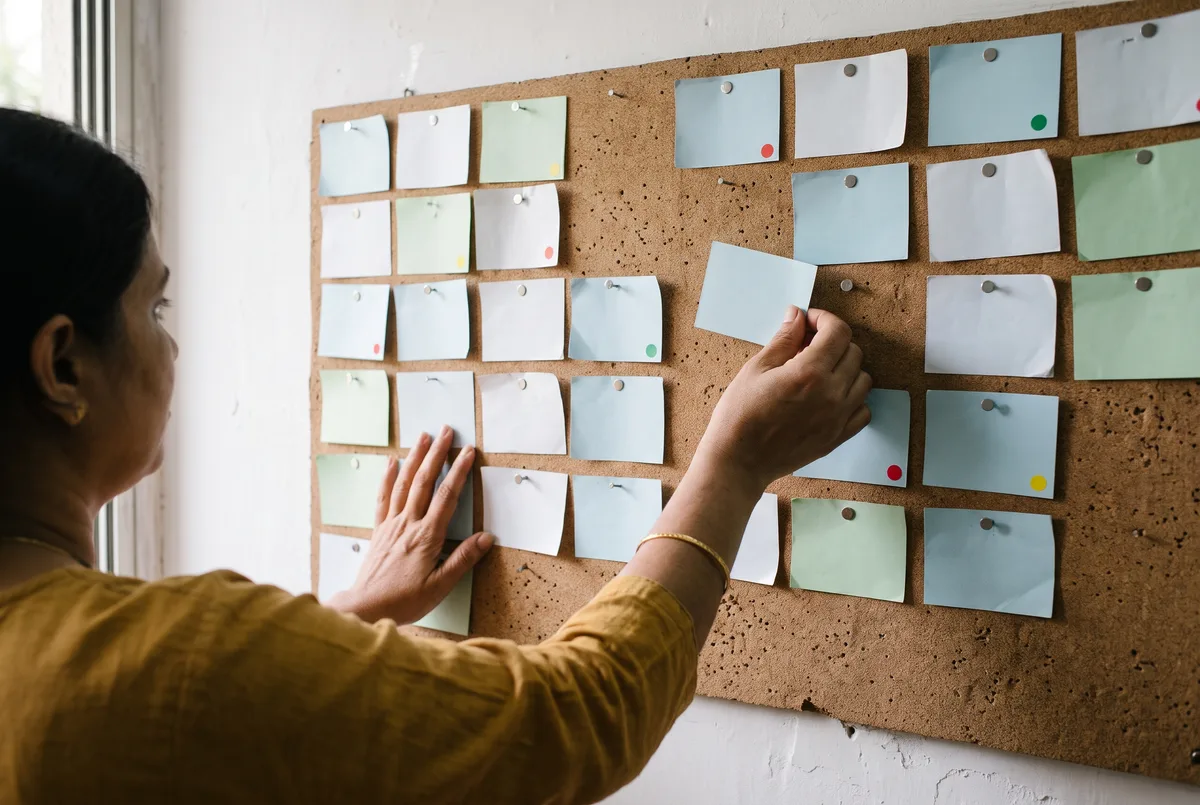
Approval speed matters most, then design changes, stones, marking and the calendar. Changes after the sample are the costliest: once a rubber mould exists, a design change means a new metal master and a new mould, per Klotz. Every day a render or sample waits for comments adds a day to dispatch.
The levers, in rough order of how much time they move:
- Approvals. Reply to CAD renders and samples within a day. Two CAD rounds with three days of review each can add a week on their own.
- Changes after the mould. Change anything at CAD instead. After the sample is signed, a new finger size or stone layout sends the order back a stage.
- Stones. Melee and centre stones in common sizes are usually quicker to supply in India, where the GJEPC says about 14 of every 15 diamonds set in jewellery are cut and polished. Unusual sizes, fancy shapes or matched pairs take longer to find.
- Hallmarking. For India-bound gold, finished pieces go to an assaying and hallmarking centre before dispatch. Ask how long the centre your manufacturer uses is taking that month, especially before a festival.
- Festival peaks. Indian jewellery demand concentrates in April to June and September to January, according to the World Gold Council, so expect workshops to be at their busiest in the run-up to each.
A complete brief does more than any rush request. If the metal colour, karat, stone grade, ring sizes and marking are all fixed on day one, the CAD round that follows is about proportion, not about questions that should have been asked earlier.
How much faster are repeat orders?
A repeat order skips the brief, CAD and sample, because the approved master and its rubber mould already exist and wax copies are injected straight from it, the method Klotz describes for production runs. That leaves production and checks: 16 to 46 days, about 2.5 to 6.5 weeks, before shipping.
That's up to three and a half weeks saved against a new design, and it changes how you plan a season. Bestsellers can be reordered late; new designs need to start early. The savings only hold if nothing changes, though. A new karat, a different stone size or a switch from natural to lab-grown centres is a new design as far as the mould is concerned.
Two checks are worth making before you reorder. Ask whether the mould is still in good condition, because rubber moulds wear. And ask for a fresh quote, since the gold price will have moved since the last order: spot gold passed $5,000 an ounce in January 2026 and was $4,032 on 23 October, per Fortune.
When should you order for Diwali, Christmas, Eid and Valentine's Day?
Work back from the day stock needs to be in your store. Diwali falls on 29 October 2027 under the central government's 2027 holiday list, and the UAE Astronomy Centre expects Eid al-Fitr 2027 on 9 or 10 March, Khaleej Times reports, subject to moon sighting.
The calendar uses three planning assumptions, all taken from the stage table above. Stock should be in hand four weeks before the occasion, to give a full selling run. A new design is planned at the slow end: ten weeks to dispatch plus one week of shipping, so eleven weeks before the in-hand date. A repeat order takes up to 6.5 weeks plus a week of shipping, rounded up to eight weeks.
Occasion and market | Date | Stock in hand by | Brief a new design by | Confirm a repeat order by |
|---|---|---|---|---|
Christmas 2026 (US, Canada) | 25 Dec 2026 | 27 Nov 2026 | 11 Sep 2026 (passed) | 2 Oct 2026 (passed) |
Valentine's Day 2027 (US, Canada, UAE) | 14 Feb 2027 | 17 Jan 2027 | 1 Nov 2026 | 22 Nov 2026 |
Eid al-Fitr 2027 (UAE), expected | 9 Mar 2027 | 9 Feb 2027 | 24 Nov 2026 | 15 Dec 2026 |
Diwali 2027 (India) | 29 Oct 2027 | 1 Oct 2027 | 16 Jul 2027 | 6 Aug 2027 |
Christmas 2027 (US, Canada) | 25 Dec 2027 | 27 Nov 2027 | 11 Sep 2027 | 2 Oct 2027 |
Christmas 2026 shows how the fast end works. At 27 days plus a week of shipping, a new design briefed on 24 October 2026 could still arrive by 27 November, but only if every stage runs at the fast end. It's a gamble, not a plan. A safer route is to reorder proven designs and save new ones for Valentine's Day.
Diwali 2026 fell on 8 November, so it has passed for planning purposes. For Indian stores, domestic delivery is shorter than an international shipment, so the Diwali 2027 dates carry a few days of slack. Plan around the holiday itself, too, and ask which festival days your workshop closes.
How a custom jewelry manufacturer's timeline links to process and cost
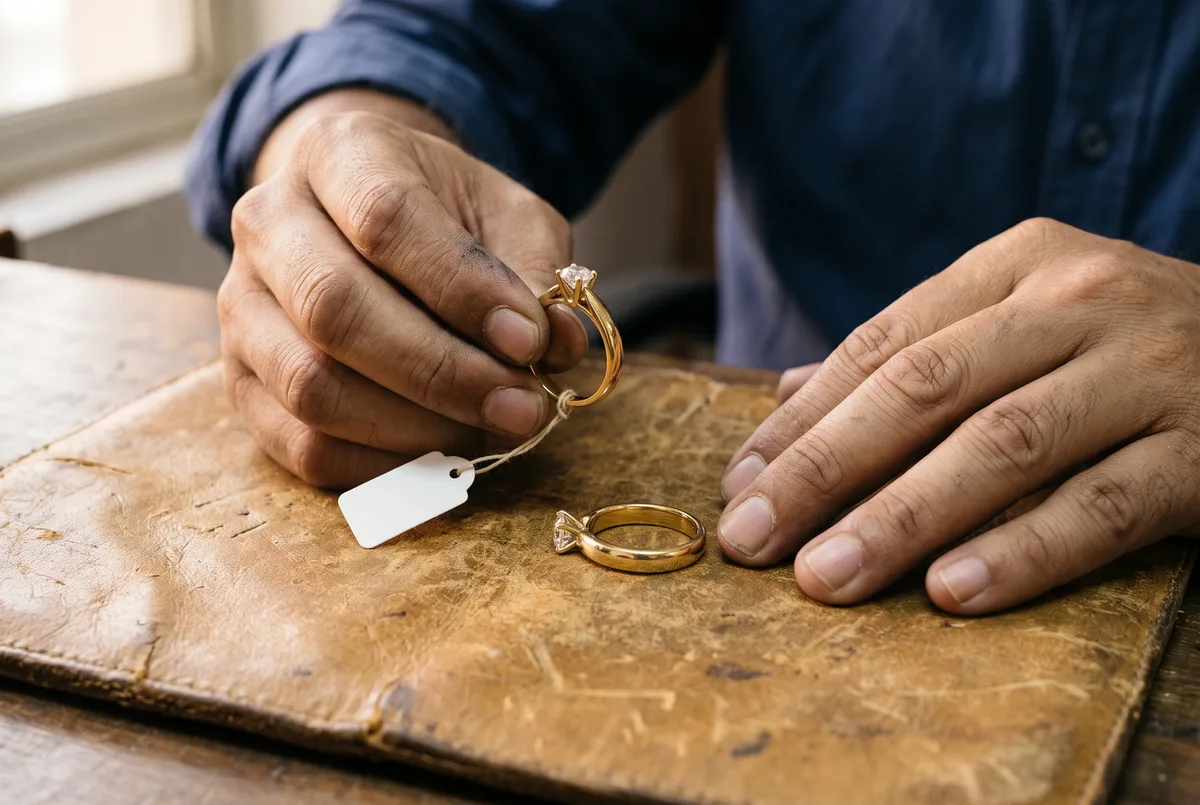
Timeline, process and price move together: the steps that take time are the steps you pay for. A CAD round is labour, a sample uses metal and stones, and a mould is a tool. For US imports, 19 CFR 141.86 even requires moulds supplied for production but left out of the invoice price to be listed on the commercial invoice.
The manufacturing process guide follows the same order through CAD, printing, casting, setting, polishing and marking, and shows where faults like porosity creep in. Read it alongside the stage table here: it explains why a sample can't be rushed through burnout and why the master sample deserves a careful look.
The cost breakdown guide shows how the CAD weight estimate becomes a price, and why quotes are only valid for a short time. Timing affects cost in one more way. The longer a quote sits between approval and order, the more the gold price can move, so a slow approval can change the invoice as well as the delivery date.
What should you ask a custom jewelry manufacturer in India about timing?
Ask for dates, not durations, and ask what each date depends on. Marking is one example: jewellery exported to a foreign buyer's specification is exempt from Indian hallmarking under BIS rules, while gold sold in India must be hallmarked in the 392 districts covered as of August 2026.
Questions worth putting in writing before the first order:
- What date will I receive CAD renders, and how many rounds does the quote include?
- How long will you hold my production slot while I review the sample?
- Are the stones in stock, or do they need to be sourced? If sourced, how long?
- What marks will each piece carry: BIS hallmark, karat stamp, my trademark?
- Which workshop holidays fall inside my production window?
- Who owns the CAD files and the moulds, and is there a separate design or mould charge?
The last question matters more than it looks. Agree ownership of CAD files and moulds in writing at the start, along with any design fee, so a repeat order or a move to another workshop doesn't become a dispute. The private-label sourcing guide covers the rest of the agreement.
What to do next
Pick the occasion you're planning for, find its row in the calendar, and count back from your own in-hand date if it differs. If the brief date is close, settle your specifications this week: metal, karat, stones, sizes, quantities and marking.
Browse finished designs if you'd rather adapt an existing piece than start from a blank page, because that can shorten the CAD stage. For export orders, the shipping guide covers paperwork and duty, and Indian retailers can start from the India page. When your brief is ready, start a custom project with your target in-hand date.
Planning a range?
Send us your designs, metals and quantities, and we’ll reply with a quote and timeline within one business day.
Questions buyers ask
Partly. The fast end of every stage adds up to 27 days to dispatch, and some steps can't be compressed: a printed resin sample needs about 13 hours of burnout before it can even be cast, on Formlabs' schedule. Small quantities, simple settings and stones in stock give the best chance of a short lead time.
Agree it in writing before work starts, along with any design or mould charge. For US imports, 19 CFR 141.86 requires moulds supplied for production but not included in the invoice price to be shown on the commercial invoice, so the paperwork should match whatever you've agreed.
Usually not. BIS exempts jewellery exported to a foreign buyer's specification from mandatory hallmarking. US and Canadian orders carry the karat mark plus the buyer's trademark instead, since US law requires a trademark or name whenever a quality mark is used. Gold sold in India's 392 notified districts must be hallmarked.
Often, at least partly. A change after the master sample means a new master and a new rubber mould before production waxes can be injected, as Klotz's casting paper describes. Small finish changes may not need that; changes to size, shape or stone layout usually do.
Because gold moves. Spot gold passed $5,000 an ounce in January 2026, the World Gold Council reported, and was $4,032 on 23 October 2026. A quote held through a slow approval cycle can be out of date before production starts, so ask whether the metal will be re-priced when you confirm the order.